
Store portable livestock panels only after counting, cleaning, drying and separating damaged units. Use level, drained ground and rated racks, dunnage or stillages that support the frames without loading feet, pins or latches. Group compatible sizes, secure stacks against sliding or collapse, label loose hardware and keep retrieval aisles clear. Never invent a universal maximum stack height.
What should happen before panels enter the storage area?
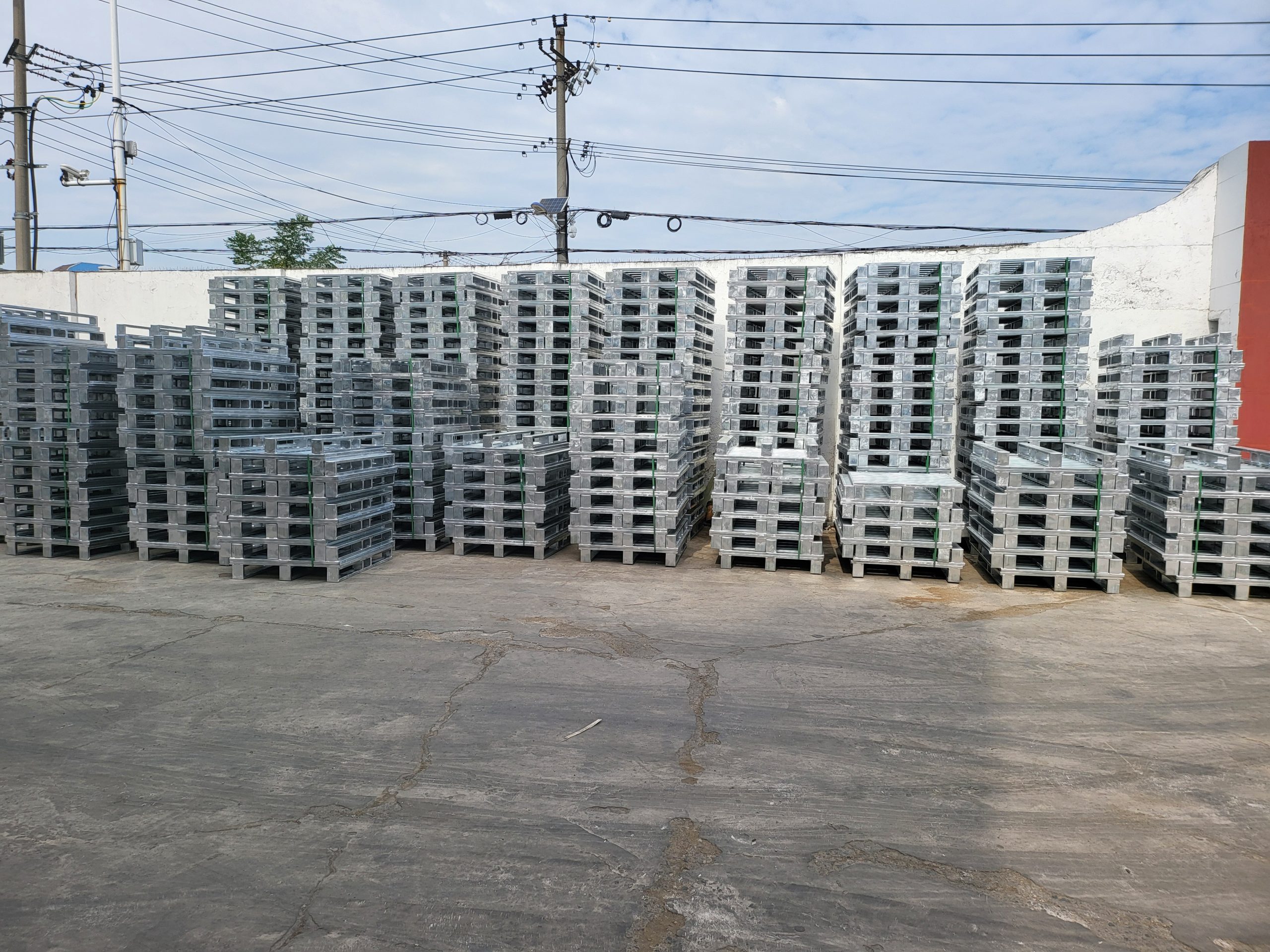
Create a return point outside the main storage zone. Count each panel and gate, identify the configuration, and record the ranch area from which it came. Remove animals and isolate any section with a sharp projection, cracked weld, severe bend or failed connector so it cannot be mixed into serviceable stock.
Photograph damage and mark the item with a durable out-of-service tag. Do not straighten, heat or weld it during unloading unless a qualified repair procedure has been approved. The HRC post-impact inspection checklist explains why the full load path—not just the visible bend—needs review.
Reconcile the physical count with the deployment list. Missing pins and clamps are easier to trace while crews still remember the field layout. A seasonal storage program should begin as inventory control, not simply as moving steel into a yard.
How should panels and gates be cleaned and dried?
Remove manure, feed, bedding, soil, twine and other debris using a method compatible with the product finish and the ranch biosecurity plan. Organic material can hide damage, retain moisture and move contamination between animal groups. If cleaning agents or disinfectants are required, obtain compatibility guidance for the coating and follow the product label and veterinary protocol.
Pay attention to feet, connector loops, hinge areas, mesh edges and hollow sections where debris or water can collect. Open drain provisions must not be blocked. After washing, allow the equipment to dry before tight stacking or covering; trapped moisture can prolong wet exposure and make later inspection difficult.
Do not promise a universal cleaning method for every galvanized, painted or powder-coated panel. Record the finish and use the supplier-approved repair product on exposed steel after the damage has been evaluated.
How do you choose a safe seasonal storage location?
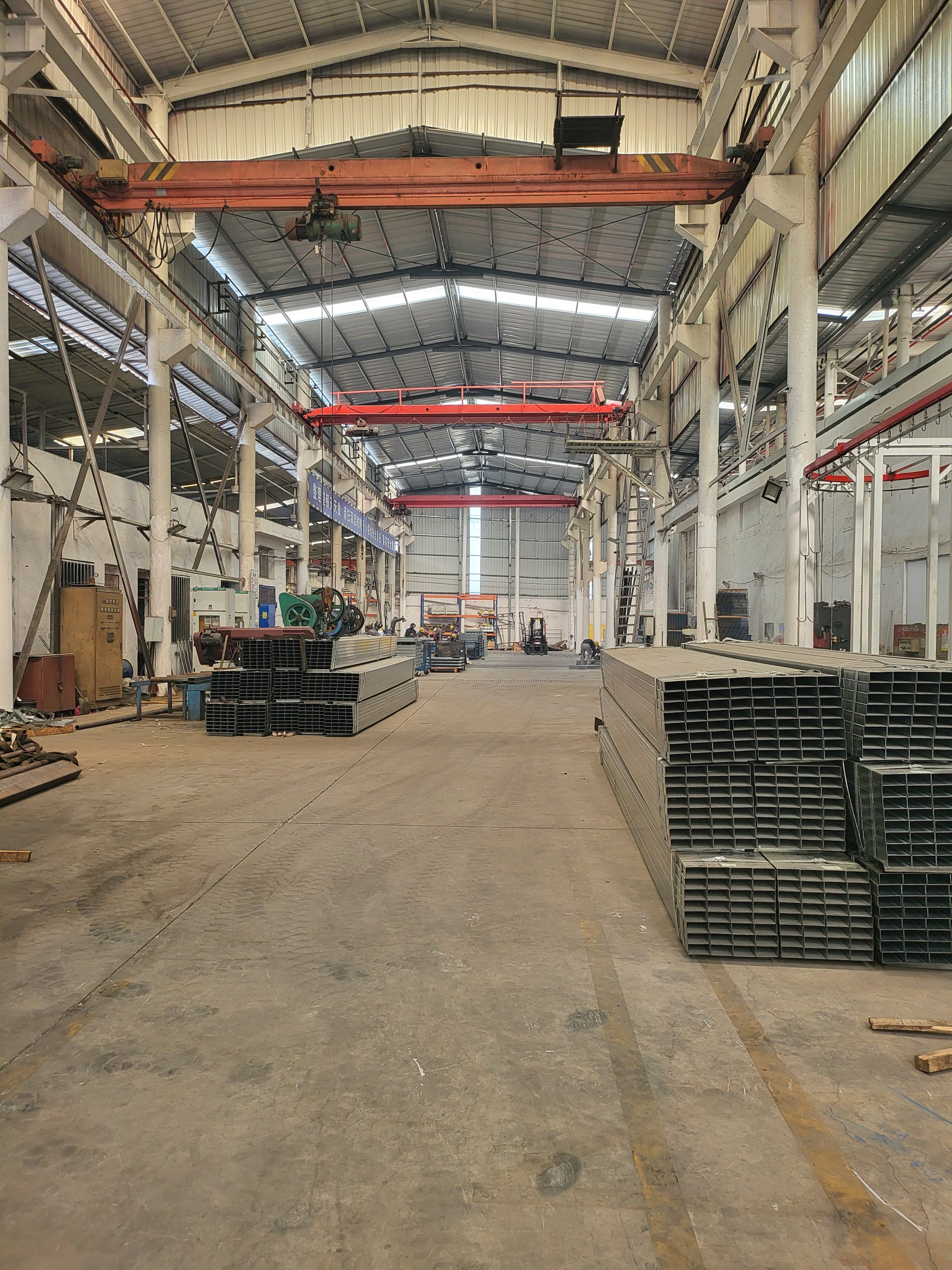
Select firm, level ground with drainage and year-round access for the intended handling equipment. Avoid low areas where water, snowmelt or mud will collect around the lowest panels. Keep clear of overhead power lines, public traffic, livestock lanes, emergency access, building exits and combustible storage.
Allow space for forklifts, loaders or manual handling without forcing workers between unstable bundles. The U.S. OSHA general materials-handling rule at 29 CFR 1910.176 requires safe clearances and says stored bundles must be stable and secure against sliding or collapse. This is general workplace guidance, not a storage design for a particular ranch; follow the rules and competent-person requirements that apply locally.
Control unauthorized access. Children, visitors and animals should not be able to climb on or move stored equipment. Provide lighting if retrieval may occur in low visibility.
How should portable panels be supported and stacked?
Use racks, dunnage or purpose-designed stillages that support the panels at consistent points and keep the lowest units out of standing water. The support must be suitable for the total weight and surface. Do not place a long panel across random blocks that introduce a twist or allow feet and pins to carry the stack.
Group compatible lengths and frame types. Alternate orientation only when the approved stacking method requires it. Protect projecting connector pins, chain latches and feet from carrying vertical load. Use spacers where needed to prevent metal-to-metal abrasion or trapped hardware.
There is no universal safe stack height. It depends on panel geometry, bundle design, support, ground, wind, handling method and local safety requirements. The responsible competent person or supplier should define the stack or rack limit. Secure tiers against sliding, falling and collapse; never rely on the weight of upper panels alone.
| Storage feature | Check | Reason |
|---|---|---|
| Dunnage or rack | Level, rated and aligned | Reduces twist and ground contact |
| Stack grouping | Same length and configuration | Improves stability and retrieval |
| Projection protection | Pins, feet and latches unloaded | Prevents bending and abrasion |
| Restraint | Approved straps, blocks or stillage | Prevents sliding or collapse |
| Identification | Visible label on accessible side | Avoids dismantling the stack to count |
How should gates, mesh panels and different finishes be separated?
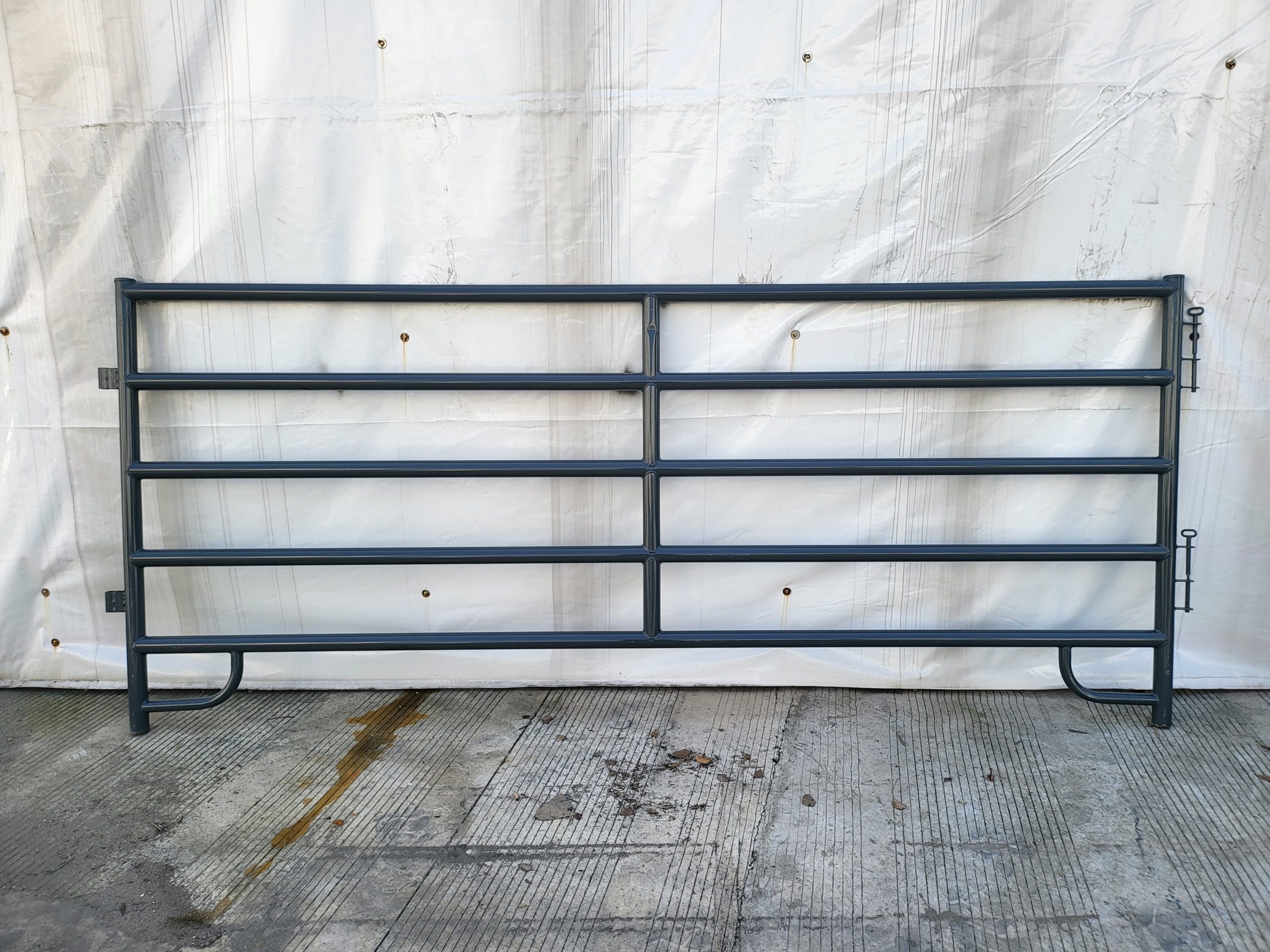
Do not assume every panel can share one stack. Gate leaves have hinges and latches, mesh panels have edges that can snag, and curved or braced panels may create unstable contact points. Store each configuration in a rack or bundle arrangement that supports its frame.
Separate galvanized, painted and powder-coated items when metal-to-metal movement could damage finishes. Use clean, dry separators compatible with the coating. Avoid plastic wrapping that traps condensation unless the packaging design provides ventilation and moisture control.
Keep repaired units clearly identified. If a panel has a use restriction, store it in a dedicated location and record that restriction. Unverified or damaged equipment should never be placed beneath serviceable panels where its tag becomes invisible.
What is the best way to control pins, clamps and loose hardware?
Count loose parts separately by type and compatible product revision. Clean and dry them, inspect for bending, thread damage, missing retainers and coating loss, then store them in labeled bins protected from water and unauthorized use. Do not hang all chains and pins from one panel if doing so overloads or scratches the frame.
Link each bin label to the panel family and storage location. A photograph of the hardware and its mating interface can help crews select the correct part, but retain the supplier drawing or part number. Visually similar pins may differ in diameter, length or hole position.
Set minimum reorder levels based on operating risk and lead time. Review the spare hinges, latches and connectors guide for a structured spares approach.
How can handling equipment avoid damaging stored panels?
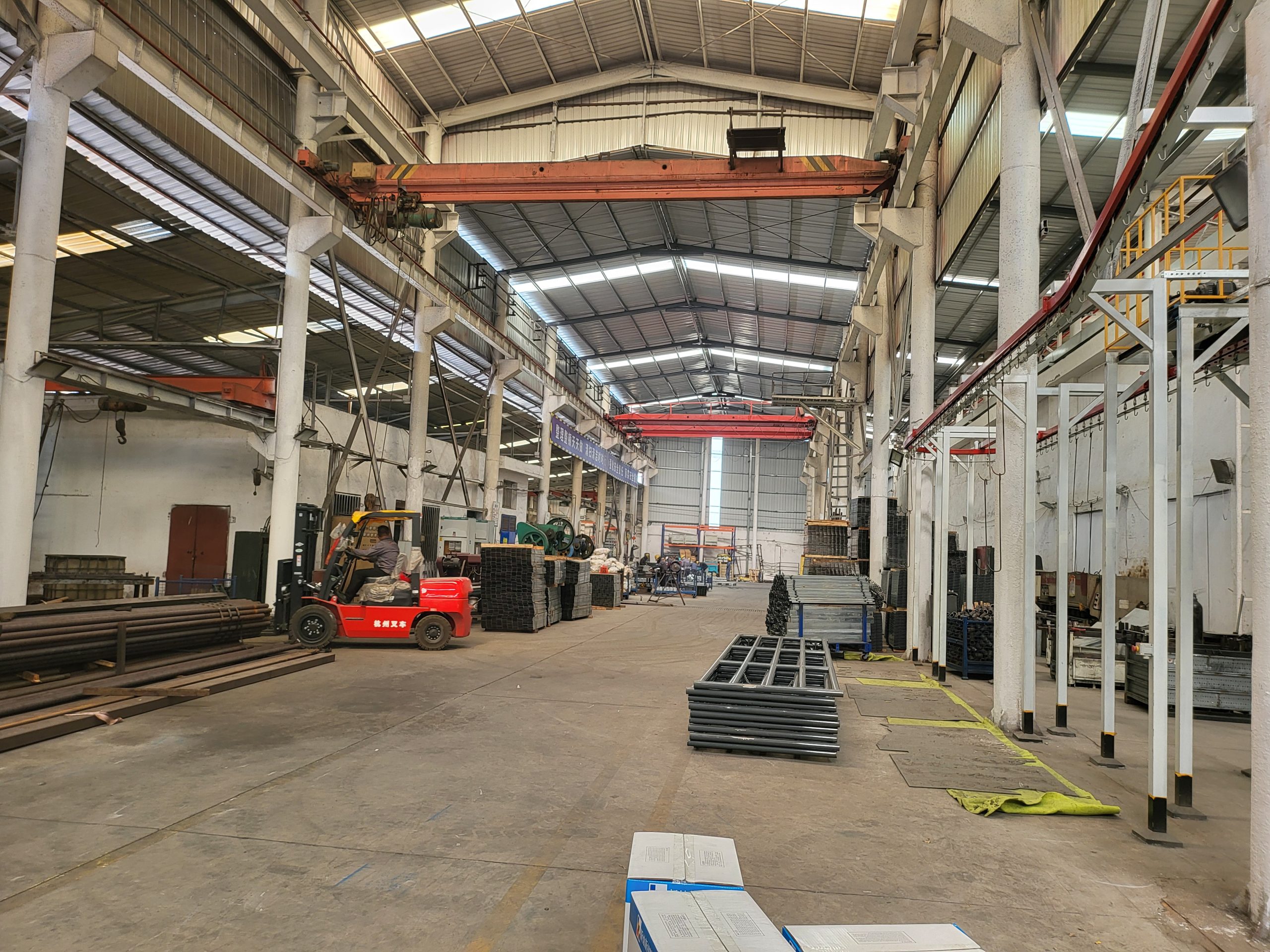
Plan fork pockets, lifting points and travel routes before building the stack. Forks should not contact rails, mesh or unsupported tube faces. Use rated lifting accessories and equipment with sufficient capacity, and keep people out of the fall zone. A long bundle can obstruct the operator’s view and requires a route with adequate turning clearance.
Never lift a mixed, loose stack because it appears light enough. Confirm the bundle weight and center of gravity. If straps are used for bundling, distinguish transport restraint from lifting equipment; a packing strap is not automatically a rated sling.
Inspect racks, dunnage and restraints after severe weather, vehicle contact or ground settlement. Stop retrieval if a stack has shifted. Stabilize it using an approved method before removing individual panels.
What records and inspections are needed during storage?
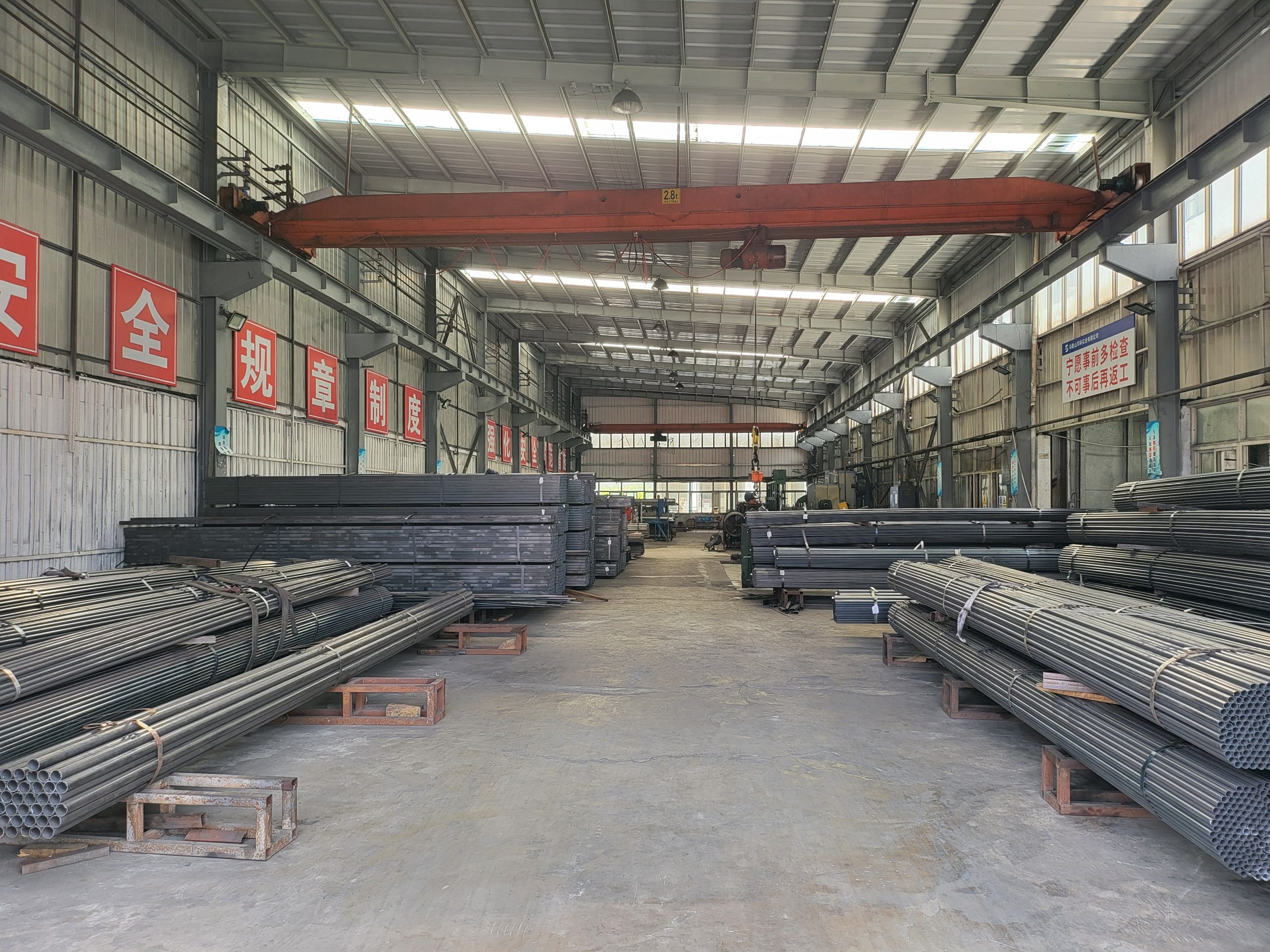
Maintain a storage map and inventory showing quantity, configuration, condition, finish, location and compatible hardware. Schedule periodic checks after storms, freezes, flooding, vehicle activity or long idle periods. Look for settlement, leaning, loose restraints, standing water, corrosion, coating damage and unauthorized removal.
Rotate or move equipment only when required by the approved storage plan; unnecessary handling adds damage risk. Before redeployment, recount, inspect connectors and frame condition, and confirm that the target layout uses the correct configuration. Record which panels leave the yard so the next return count is meaningful.
A storage checklist should name the responsible person and escalation route. Photographs can document condition over time, but inspection decisions should reference measurable criteria and the product drawing.
How should panels be retrieved and prepared for redeployment?
Issue a pick list by configuration and location before handling begins. Clear the travel route, inspect the stack and restraints, and remove only the planned tier using the approved equipment. Do not pull a lower panel from a bundle or climb onto stored units to release a strap.
Move selected panels to a separate inspection area. Verify frame geometry, welds, feet, pins, clamps, latches and coating condition; then match the count to the new layout. Install replacement hardware before loading for the field so crews do not improvise incompatible pins or wire ties on site.
Record the destination, quantity and condition. Load vehicles in the reverse of the required unloading order where practical, and secure the cargo under the applicable transport plan. If an item fails inspection, return it to the clearly marked quarantine area rather than to the serviceable stack.
What information should be requested when buying panels for repeated seasonal use?
Ask for product and bundle drawings, unit and bundle weights, approved lifting or handling points, compatible racks or stillages, connector part numbers, coating-repair guidance and replacement availability. Explain that the system will be deployed and stored repeatedly so feet, pins and latches can be reviewed for that duty.
Use HRC’s portable panel reference, panel range, gate range and accessories page to identify the equipment family. Send the proposed storage and handling method through the contact page for quotation-specific information.