
Verify container quantity from the approved product revision, maximum unit envelope, nesting pitch, bundle dimensions, gross weights and the actual container’s internal, door and payload limits. Then deduct space needed for dunnage, blocking, lashing, safe loading and unloading. Treat the supplier’s first number as theoretical until a bundle drawing, weight schedule and approved loading plan support it.
Why is a quoted container quantity only an estimate at first?
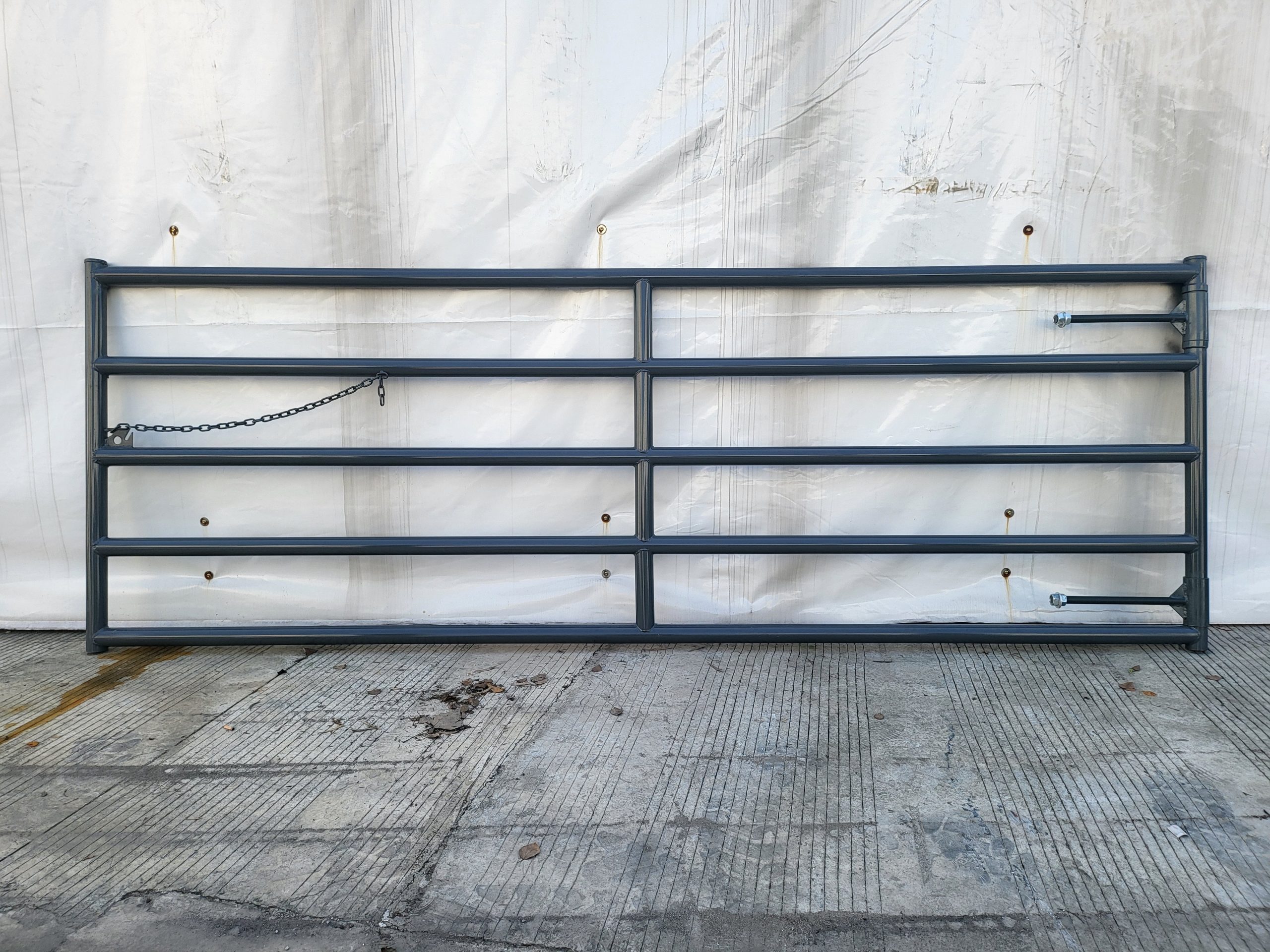
A quantity such as “300 panels per 40-foot container” is not meaningful without the exact panel, bundle and container assumptions. Rail count, frame length, feet, pins, coating protection, nesting direction and mixed accessories can change the occupied space. Product revisions can also change the result.
Separate three figures: theoretical geometric capacity, planned loading quantity and final shipped quantity. The theoretical figure tests whether units can fit in an ideal arrangement. The planned figure accounts for bundles, dunnage, restraints, doors, weight distribution and unloading. The shipped figure comes from the packing list and loading record.
Never publish or contract a container quantity as a universal product fact. Link it to the approved drawing revision, bundle plan, container type and load assumptions. If any of those change, recalculate.
Which product data must be frozen before calculating capacity?
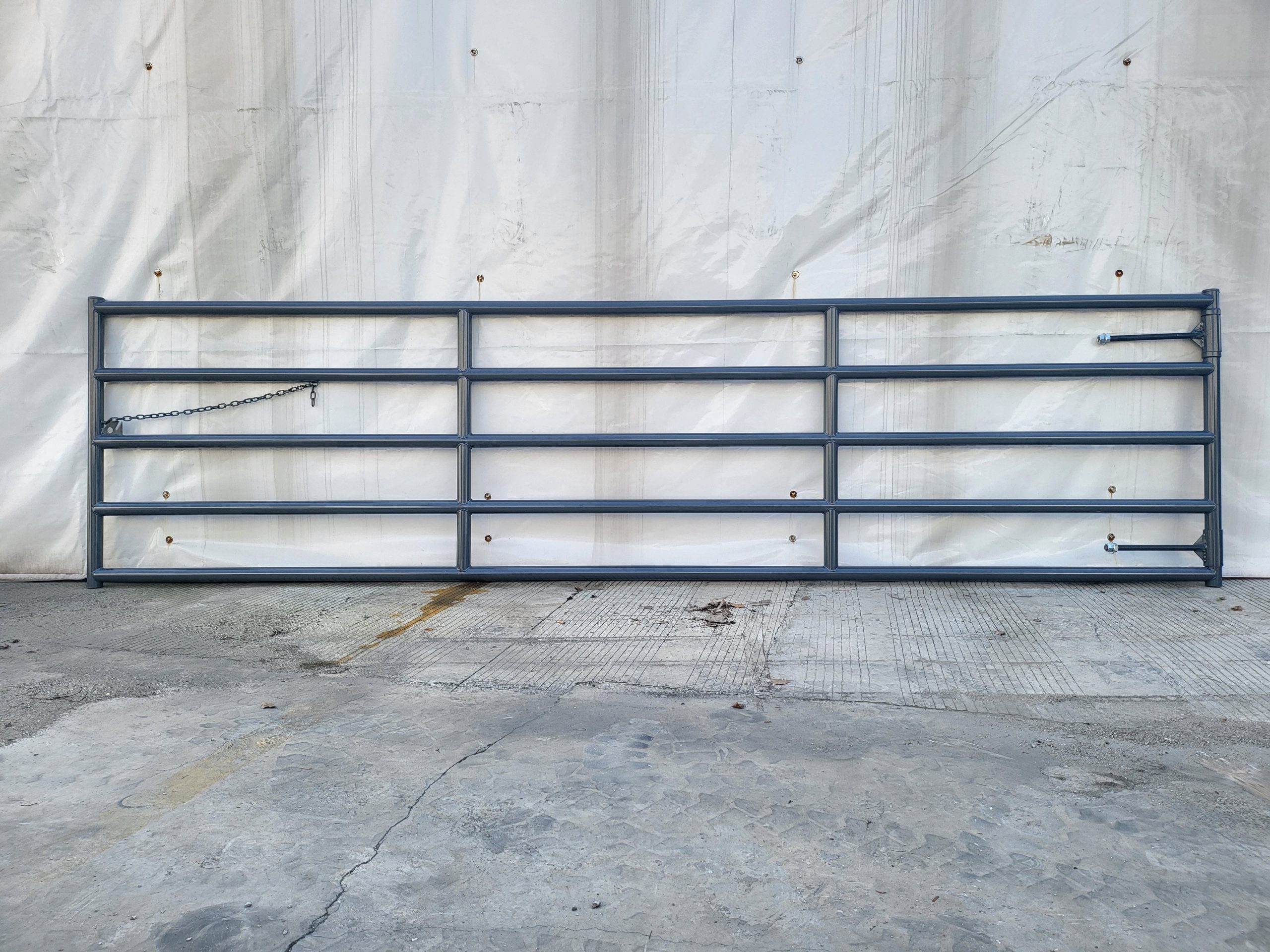
Start with the approved product drawing. Record overall length, height and maximum thickness, including feet, connector loops, pins, latches and brackets. Add the unit weight and identify whether any hardware ships loose. Confirm whether panels nest and the pitch added by each nested unit.
Then define the bundle: units per bundle, outside dimensions, gross weight, dunnage, separators, edge protection, straps, lifting points and identification. A stack of ten loose panels is not equivalent to a designed ten-panel bundle. Packaging can add both dimension and weight.
For mixed loads, list every gate, panel, post and accessory by product code and revision. Do not fill leftover space with unplanned loose parts. Each item needs restraint, identification and an unloading sequence.
| Input | Required evidence | Risk if missing |
|---|---|---|
| Product envelope | Approved dimensioned drawing | Projections collide or prevent door closure |
| Unit weight | Controlled weight record or accepted calculation | Gross mass or axle plan is wrong |
| Nesting pitch | Bundle trial or drawing | Quantity overestimated |
| Bundle envelope | Packing drawing | Dunnage and straps omitted |
| Loose hardware | Accessory list and package dimensions | Unsecured or missing parts |
What container information must the buyer confirm?
Confirm the actual container type and carrier data rather than relying on a generic “20-foot” or “40-foot” label. Obtain internal length, width and height, door-opening dimensions, maximum gross mass, tare mass and payload limit. The container’s safety approval plate and booking information control the actual unit.
Usable capacity can be limited by the door opening even when the cargo fits inside. Forklift access, loading equipment and the need to turn or tilt a bundle can reduce practical dimensions further. Weight limits may control before volume, especially when steel products and accessories are combined.
The IMO’s IMO/ILO/UNECE CTU Code provides global guidance for packing and securing cargo transport units across the intermodal chain. It calls for planning before packing and consideration of the CTU, cargo compatibility, stowage and securing. The code is guidance; contractual and legal requirements still need project-specific review.
How is a first theoretical quantity calculated?
Lay out complete bundles inside the verified internal envelope. For each orientation, calculate how many bundles fit along length, width and height using the outside bundle dimensions. Multiply the three whole numbers, then multiply by units per bundle. This is only the geometric starting point.
Check whether the bundle can pass through the door and be positioned by the available equipment. Allow space for blocking, bracing, lashing, air circulation where required, door protection and safe unloading. Do not count unusable wedge-shaped or overhead spaces simply because their volume appears available.
Calculate total cargo mass from the planned quantities and gross bundle weights. Add all accessories, packaging and dunnage. Compare the result with the permitted payload and distribution plan. A volume-based quantity that exceeds weight or load-distribution limits is invalid.
Why do weight distribution and securing space reduce the number?
A container is not a warehouse box where all mass can be placed at one end. The packer must consider floor loading, center of gravity, longitudinal and lateral distribution, restraint points and the forces expected through road, rail and sea transport. The container, carrier and route may impose additional limits.
The IMO cargo securing and packing guidance warns that improper stowage, overloading and incorrect declarations have caused serious incidents. Cargo should be tightly stowed or secured by an engineered combination of blocking and lashing appropriate to the load. Do not remove required restraints merely to add another panel.
Ask the responsible packing and securing professional to approve the loading plan. The livestock equipment supplier can provide product and bundle data, but container securing must reflect the full cargo, CTU, route and applicable rules.
How should mixed products and accessories be planned?
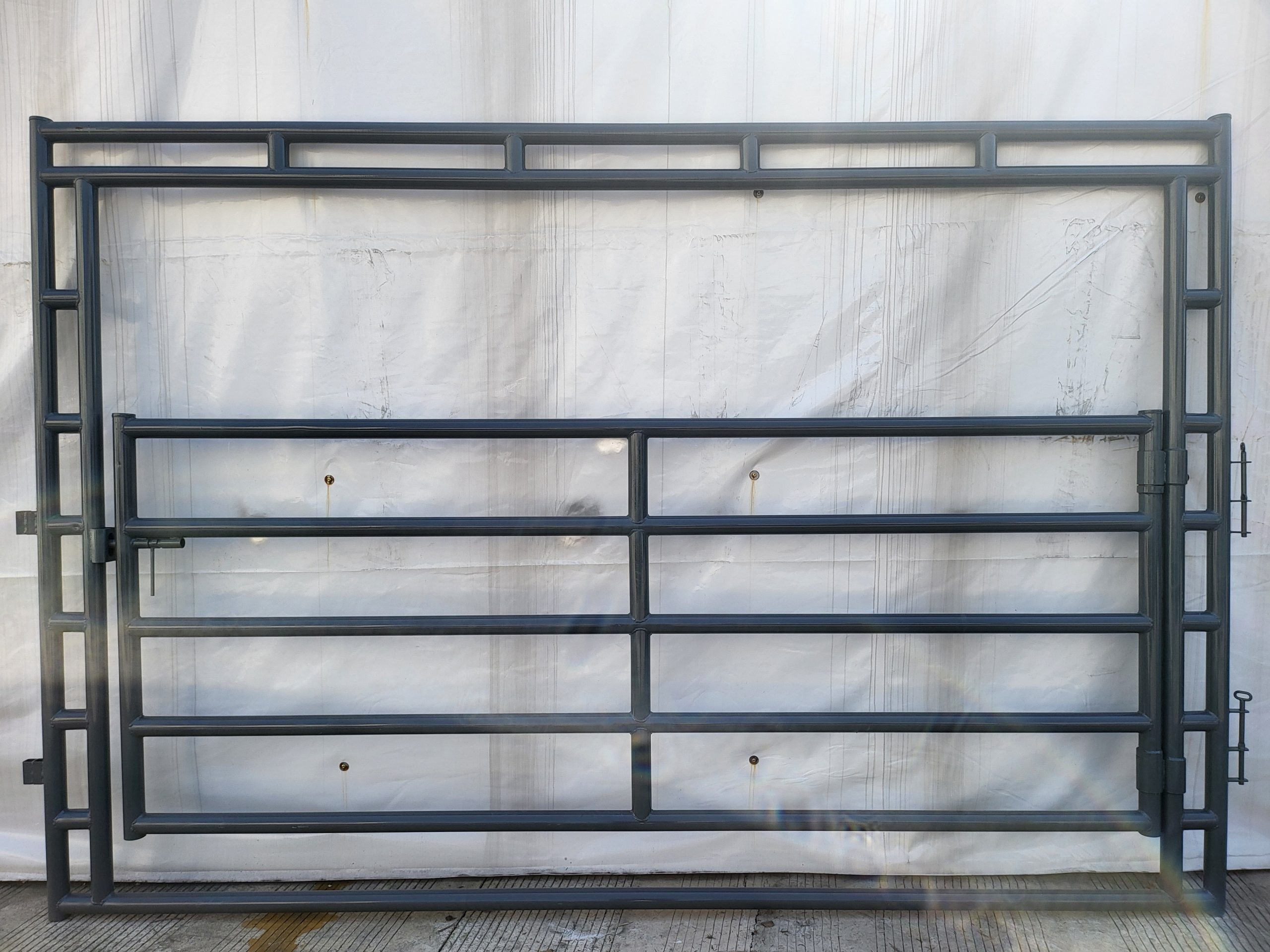
A mixed order may contain long gates, shorter panels, posts, clamps, hinges and latches. Create a load matrix showing product code, quantity, package, dimensions, gross weight, position and unloading sequence. Heavy or robust bundles should not crush lighter coated products, and loose accessories must be boxed or otherwise secured and labeled.
Use gaps only when the package and restraint method are approved. A small box placed between rails can move, damage coating or disappear during unloading. Record which main bundle contains each accessory package and repeat that reference on the packing list.
Plan destination handling. If the consignee has no dock or suitable forklift, the loading orientation must allow safe access from ground level or the booked equipment. A high packing density that cannot be unloaded safely is not a successful plan.
What must be checked when wood packaging or dunnage is used?
Identify every pallet, skid, crate, load board and piece of wood dunnage. For shipments entering the United States, USDA APHIS states that regulated wood packaging material must be debarked, treated and marked in accordance with ISPM 15. The importer should confirm the current requirements and contract them with the exporter.
APHIS’s U.S. wood packaging guidance explains that inspectors check the official IPPC mark and signs of pests. Noncompliant wood packaging can prevent entry. Other destinations may implement ISPM 15 differently, so verify the importing country’s current rules.
Record the type, quantity and position of wood packaging in the loading plan. Treatment marks do not prove that dunnage is structurally adequate for the cargo; strength and securing design remain separate checks.
Which loading evidence should be requested before shipment?
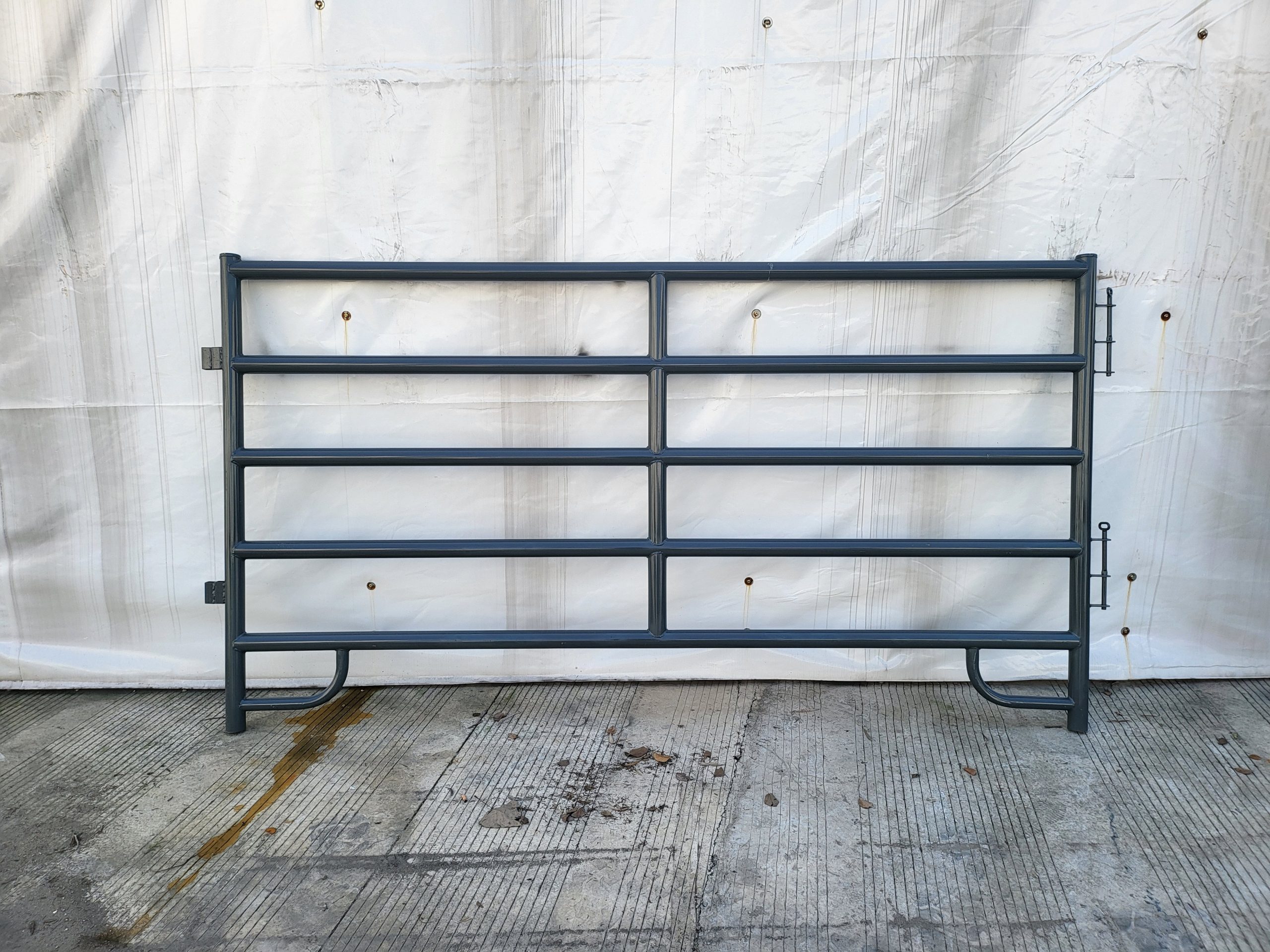
Request the approved packing drawing, bundle list, verified cargo weights, container number and type, seal record, packing list and loading photographs. Photograph the empty CTU condition, first layer, intermediate securing, final restraint, door area and closed doors. Images should include identifiable bundle labels without exposing sensitive information.
Compare the loading record with the planned quantity. If the factory changes orientation or bundle size, update the plan and weights before closing the container. A final door photograph cannot prove what happened in hidden layers.
The HRC guide on factory photos before shipment provides a broader evidence checklist. Treat photographs as supporting records, not as substitutes for verified measurements, weights or securing approval.
How can buyers compare container-quantity claims from different suppliers?
Normalize every offer to the same approved product dimensions, material schedule, finish, accessory scope, container type and delivery term. A higher quantity may result from a lighter or smaller product, omitted hardware, loose loading, fewer protective materials or a different container assumption—not from more efficient packing.
Ask each supplier for the same five records: product revision, unit weight, bundle drawing, bundle gross weight and loading layout. Recalculate the cargo mass and count complete bundles. Identify partial bundles and loose accessories separately. If one supplier cannot show how the number was derived, treat it as an unverified estimate.
Compare landed risk as well as freight per panel. Dense loading that increases coating damage, unloading time, missing hardware or unsafe restraint can cost more than the saved container space. Approve the final quantity only after product and packing requirements are frozen.
What should a container-quantity request include?
Send the approved product drawing revision, quantities, destination, container preference, delivery terms, unloading capability, wood-packaging restrictions and any carrier instructions. Ask the supplier to return a bundle drawing, package list, unit and gross weights, theoretical and planned quantities, loading assumptions and exclusions.
Review HRC’s livestock panel range, livestock gate range, accessories and receiving checklist. Send the final product list through the contact page. The quotation should state that container quantities remain subject to approved packing, actual weights, available CTU and carrier requirements.