
Before a livestock-equipment shipment, request an indexed photo set tied to the purchase order, drawing revision, item number and bundle ID. It should show complete products, critical dimensions, hinges and latches, finish condition, accessories, counts, packing, labels and loading. Photos support approval, but they do not replace material certificates, measurements, test reports, sampling records or third-party inspection when required.
What can pre-shipment factory photos actually prove?
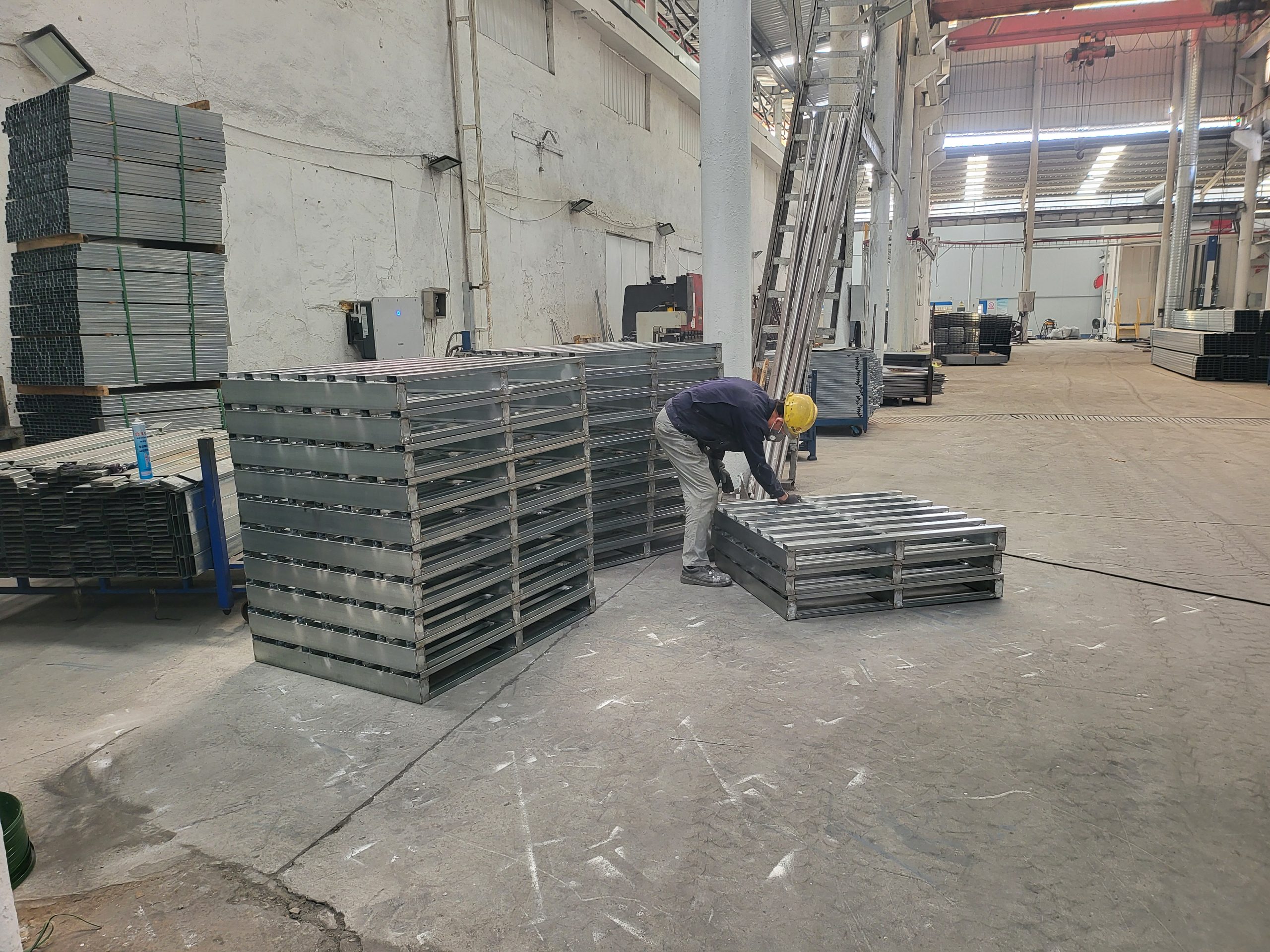
Photographs can document visible condition at a particular time: the general product configuration, labels, counted bundles, included hardware, obvious finish damage and packing arrangement. They can also expose a mismatch before freight leaves the factory. However, photographs normally cannot prove steel grade, wall thickness, weld penetration, coating chemistry, hidden corrosion protection, load capacity or the completeness of an entire lot.
Treat the photo set as one layer of evidence beside the approved drawing, inspection results, packing list and shipping documents. Define who takes the photos, when they are taken and which order identifiers must appear. A folder of attractive factory images is not a pre-shipment inspection unless each image answers a stated acceptance question.
For North American imports, ask the supplier to create the photo plan before packing starts. Once products are bundled or loaded, hinge orientation, rail spacing, accessories and labels may be difficult to see. Use a shot-list number that maps to the purchase order and retain original files with timestamps where practical.
How should every photo be identified?
Begin every series with an identification board or printed traveler showing supplier, purchase-order number, item or drawing number, revision, lot or bundle number and date. Keep sensitive pricing and personal data out of the frame. The second image should show the entire item or bundle with the board still visible. Close-ups then refer back to a known object.
Use a consistent filename pattern such as PO-item-bundle-shot-date. Store the unedited original and, if annotations are added, keep the marked copy separately. Avoid messaging-app compression when the image must show a measurement, finish defect or small label. If a photo is retaken, do not silently replace the earlier file; record why.
For a mixed load, make a photo index listing each item number and the required views. The supplier should not use one representative image for visibly different gate sizes, panel types or hardware kits. Where multiple identical units are represented by sampling, the inspection plan must define how the sample was chosen.
| Photo group | Minimum identifier | Question answered |
|---|---|---|
| Product overview | PO, item, revision and unit or bundle | Is this the ordered configuration? |
| Measurement | Feature name and item ID | Which dimension is being checked? |
| Hardware | Kit or bag number | Are hinges, latches and fasteners included? |
| Packing | Bundle and package number | How is the item protected and counted? |
| Loading | Container or trailer number | Which packages entered this shipment? |
Which product views should be taken before bundling?
For each livestock panel or gate type, request a straight-on overview, both ends, the top and bottom frame, connectors, feet if present, hinge side, latch side and any welded brackets. Include a scale only when the measurement method and feature are named. A tape held at an angle or a caliper floating beside the part is not useful evidence.
Photograph the first approved unit and the sampled production units in the same sequence. If surface appearance is an acceptance point, use even lighting and include a color or appearance reference agreed in advance. Close-ups of welds should show location and part identity; they cannot by themselves confirm internal weld quality or code compliance.
Where gates include loose posts or accessories, lay out one complete set and label every component. Compare that set with the assembly drawing and bill of materials. The relevant HRC livestock panel range, gate range and accessory page can help identify product families, but the approved order must define the exact set.
How should quantity and bundle evidence be photographed?
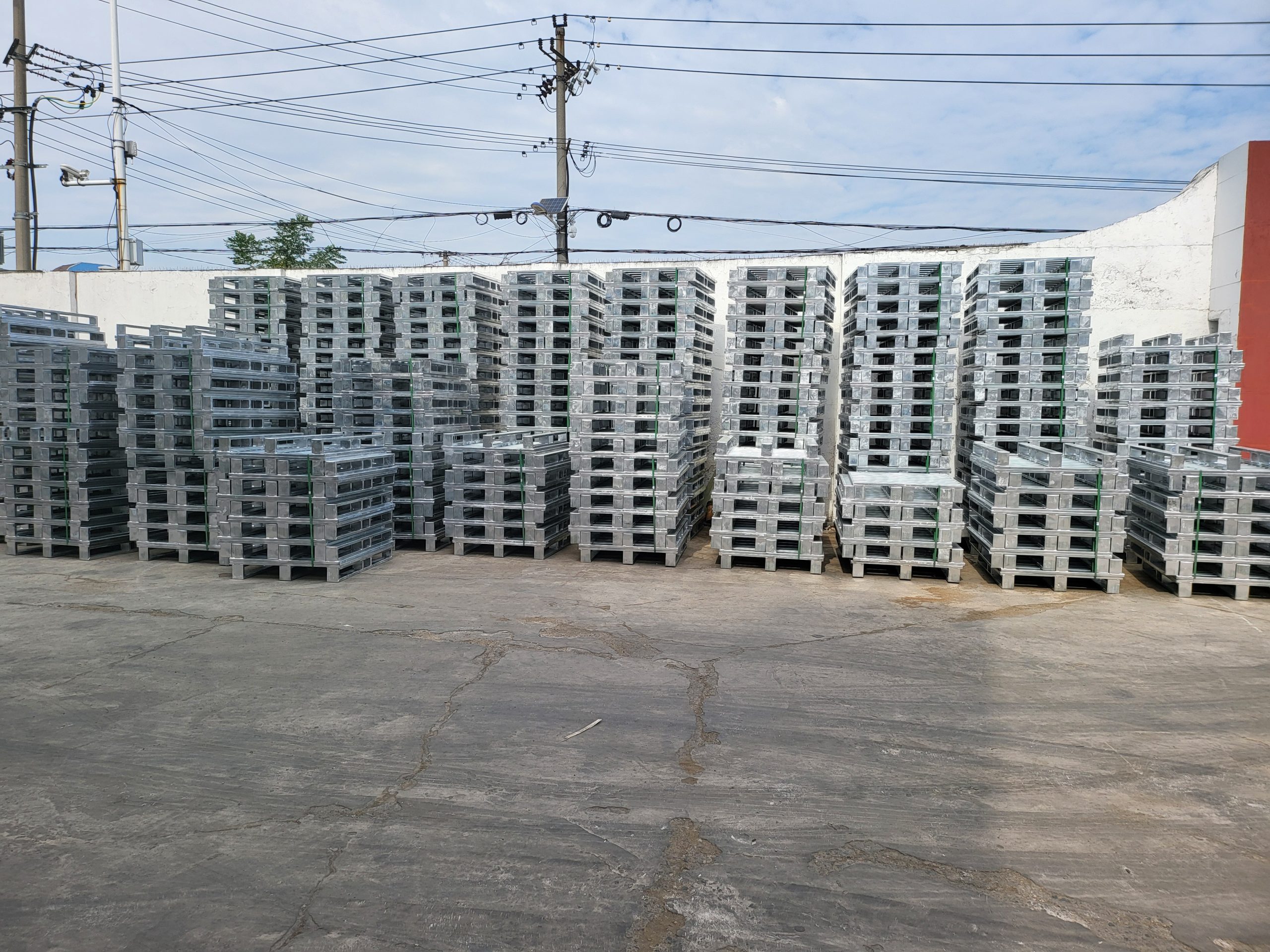
A wide photograph of a warehouse rarely supports a quantity claim. Divide the order into countable bundles and give each bundle a unique number. Photograph the full bundle, its label, the number of pieces or layers where visible, and the completed packing list line. If the product cannot be counted visually after wrapping, add an earlier count-stage image or signed count record.
For an acceptance-sampling inspection, agree on the lot, inspection level and acceptance rule before inspection. ISO 2859-1:2026 defines AQL-indexed sampling schemes for lot-by-lot inspection by attributes. Using the phrase “AQL inspection” without the chosen plan, lot definition, sample size and defect classes is incomplete. A photograph of selected samples does not prove that random selection or the agreed decision rule was followed.
Mark reworked or replacement units so the final bundle record shows their disposition. If a defect is found, photograph the issue, the item ID, the corrective action and the reinspection result. Do not delete the original defect image. A transparent sequence is more useful than a perfect-looking final album with no audit trail.
What should packing photos show?
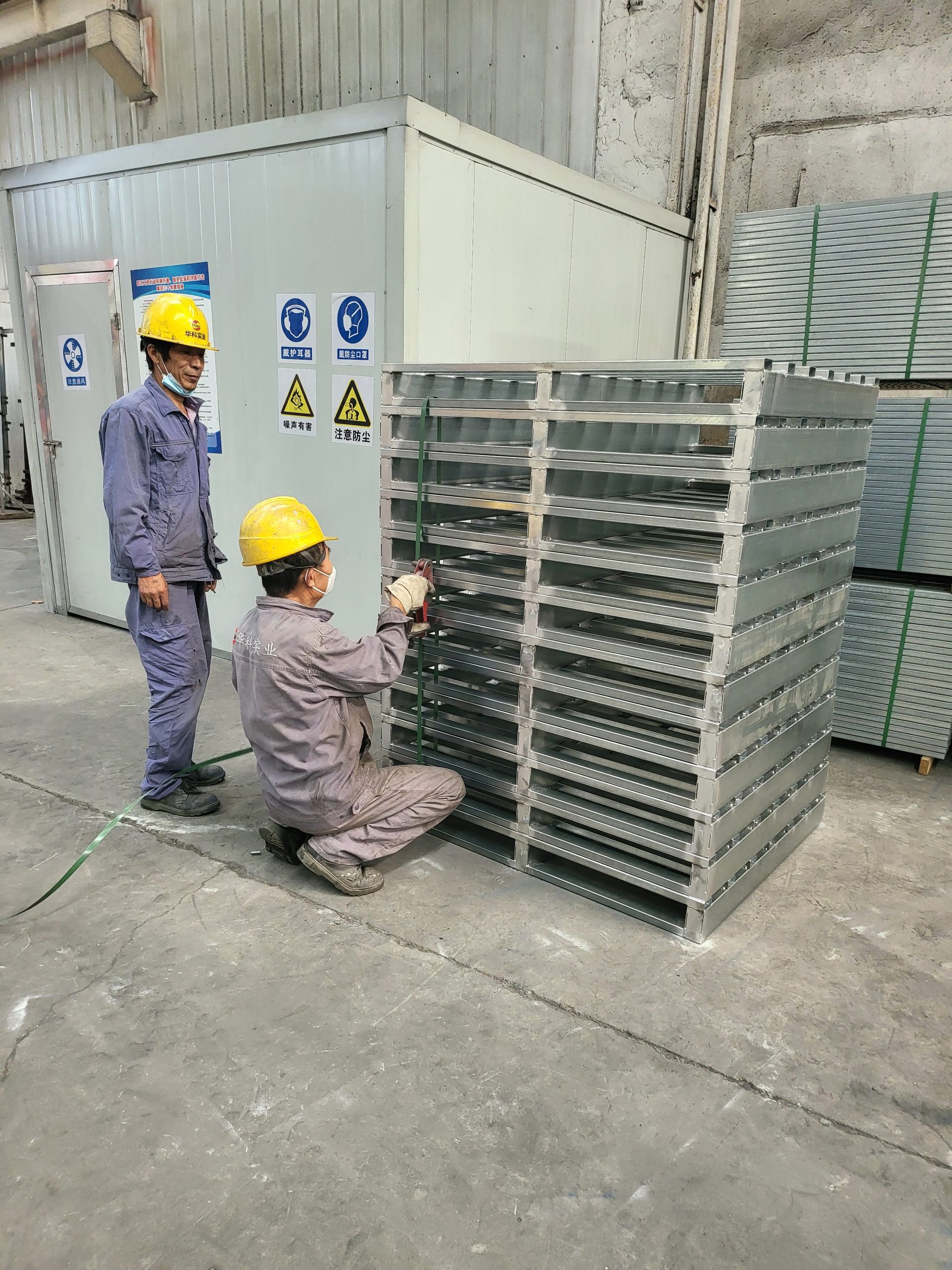
Packing images should show protection at contact points, separation between coated surfaces, restraint of loose hardware, fork-entry areas, lifting points, sharp projections and weather protection. Photograph the package before closing, after final restraint and after labeling. If gates or panels are nested, include a view that explains how the installer will remove them without dragging coated surfaces or releasing an unstable stack.
Record package dimensions and gross weight from the approved packing list, not by estimating from photographs. Confirm whether posts, pins, chains, latches and fasteners travel inside the main bundle or in separate numbered packages. A missing hardware carton can stop installation even when every panel arrives.
If solid-wood pallets, crates or dunnage enter the United States, the importer should check applicable requirements. USDA APHIS states that wood packaging material entering or transiting the United States must be pest-free, debarked, treated by an accepted method and marked with the ISPM 15 logo. Photograph the official mark and the package it belongs to; the buyer should still confirm current import requirements for the shipment.
How should loading and shipping documents connect to the photos?
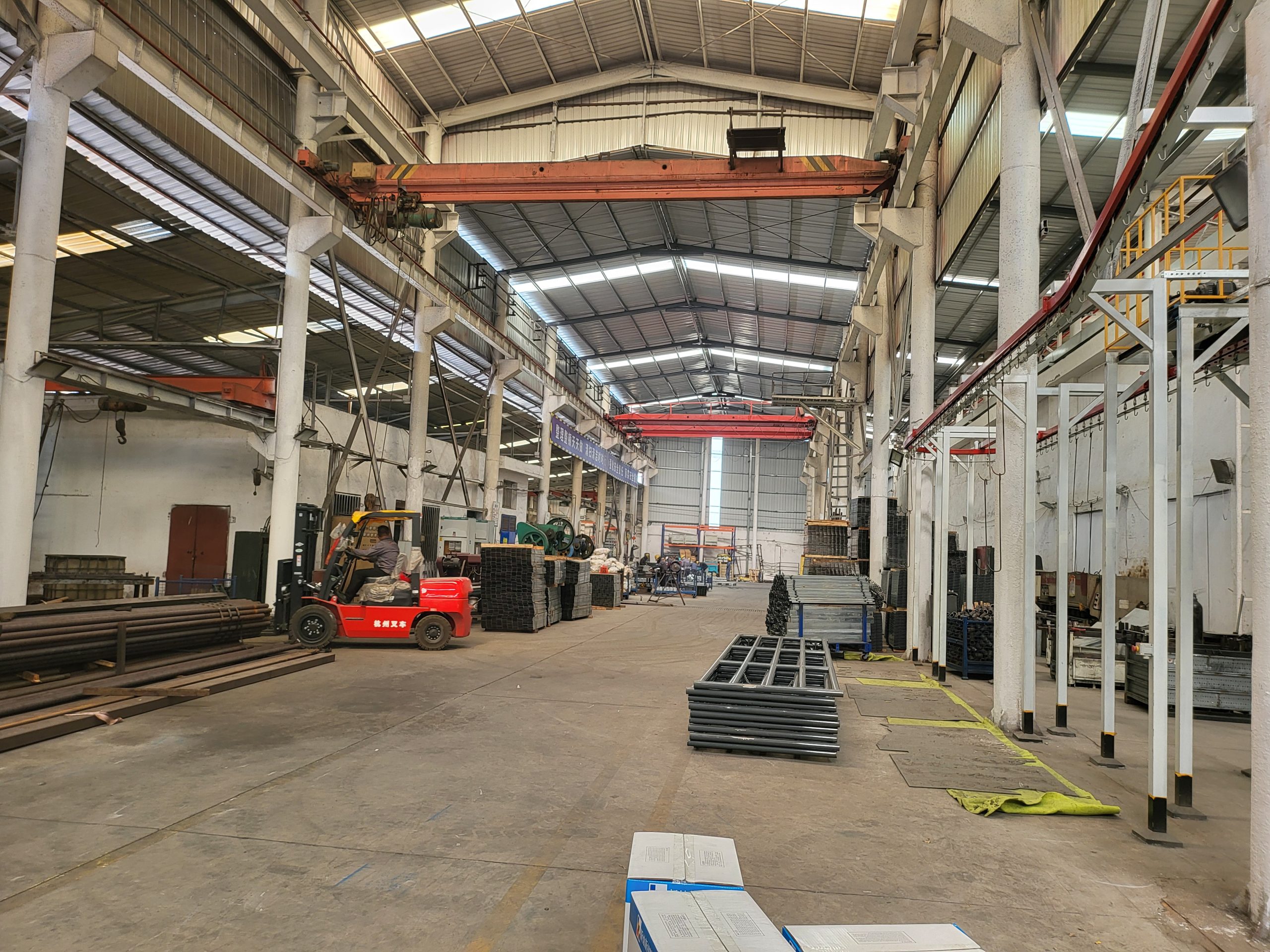
Start the loading series with the empty container or trailer number, interior condition and any concerns such as water, debris or damaged flooring. Photograph each numbered package as it enters, then take views of blocking, bracing and final door closure. Loading photographs should support, not replace, a professional load and restraint plan appropriate to the equipment, package weight and route.
The packing list should use the same package numbers visible in the images. U.S. Customs and Border Protection’s importing guidance explains that commercial invoices must provide detailed merchandise descriptions and the marks and numbers of packages, among other information. Work with a qualified customs broker to confirm current entry, classification and document requirements; a photo checklist is not customs advice.
Keep the container seal record, bill of lading details and final photo index together. If the buyer uses a consolidation warehouse, add receiving photos at that handoff so responsibility for damage can be traced. Avoid claiming that a clean factory-loading photo proves how the cargo was handled after departure.
What belongs in the final pre-shipment photo package?
Deliver one indexed package, not hundreds of unlabeled images. Include the approved drawing revision, photo shot list, item and bundle index, sampled inspection results, finish records if required, hardware checklist, packing list, packaging photos, wood-mark photos where applicable, loading sequence and shipment identifiers. State which photographs are representative and which cover every unit.
- Review the index against the purchase order and drawing.
- Confirm every product type and accessory kit appears.
- Resolve nonconformities and retain before-and-after evidence.
- Match package numbers to the packing list and loading photos.
- Record buyer approval, conditional approval or hold status.
- Send originals through a controlled file link and retain a copy.
Photos should make a decision easier. If the buyer cannot tell which item is shown, what requirement is being checked or whether the image represents the whole lot, request a better record before release. For product-specific evidence requirements, send HRC the order outline through the contact page and list the desired photo views in the RFQ.
Can factory photos replace a third-party inspection?
No. They can support a remote review, but they do not replace independent sampling, measurement or testing when those controls are required.
How many photos are enough?
Enough to answer every defined acceptance question without unnecessary repetition. Base the count on product types, bundles, sample plan, hardware and packing stages—not on an arbitrary number.
Should edited photos be accepted?
Annotations can be useful, but keep the original files. Reject edits that obscure defects, labels, measurement contact points or the context needed to identify the product.