
Choose between powder-coated and hot-dip galvanized livestock gates by specifying the ranch exposure, fabrication sequence, surface preparation, coating or zinc requirements, inspection method and repair plan. Hot-dip galvanizing and powder coating can both be appropriate, but a color photograph cannot prove either system's thickness, adhesion or durability. Compare written, lot-specific evidence against the same gate drawing.
Is powder coating or hot-dip galvanizing better for livestock gates?
Neither finish is automatically best for every ranch. Start with the service environment and maintenance plan: moisture, manure and washdown, salt exposure, abrasion, UV, temperature cycles, handling damage, appearance requirements and access for repairs. Then specify the complete coating system and evidence. A finish name without preparation, thickness, inspection and repair criteria is not a comparable quotation.
Also define the base product. Two gates with different steel sections, drainage details, weld quality or sharp edges cannot be compared fairly by finish alone. Request the same drawing and hardware configuration for both options. Ask whether the finish is applied after fabrication, because cut edges, weld zones, enclosed cavities and vent or drain provisions can affect the process and the finished assembly.
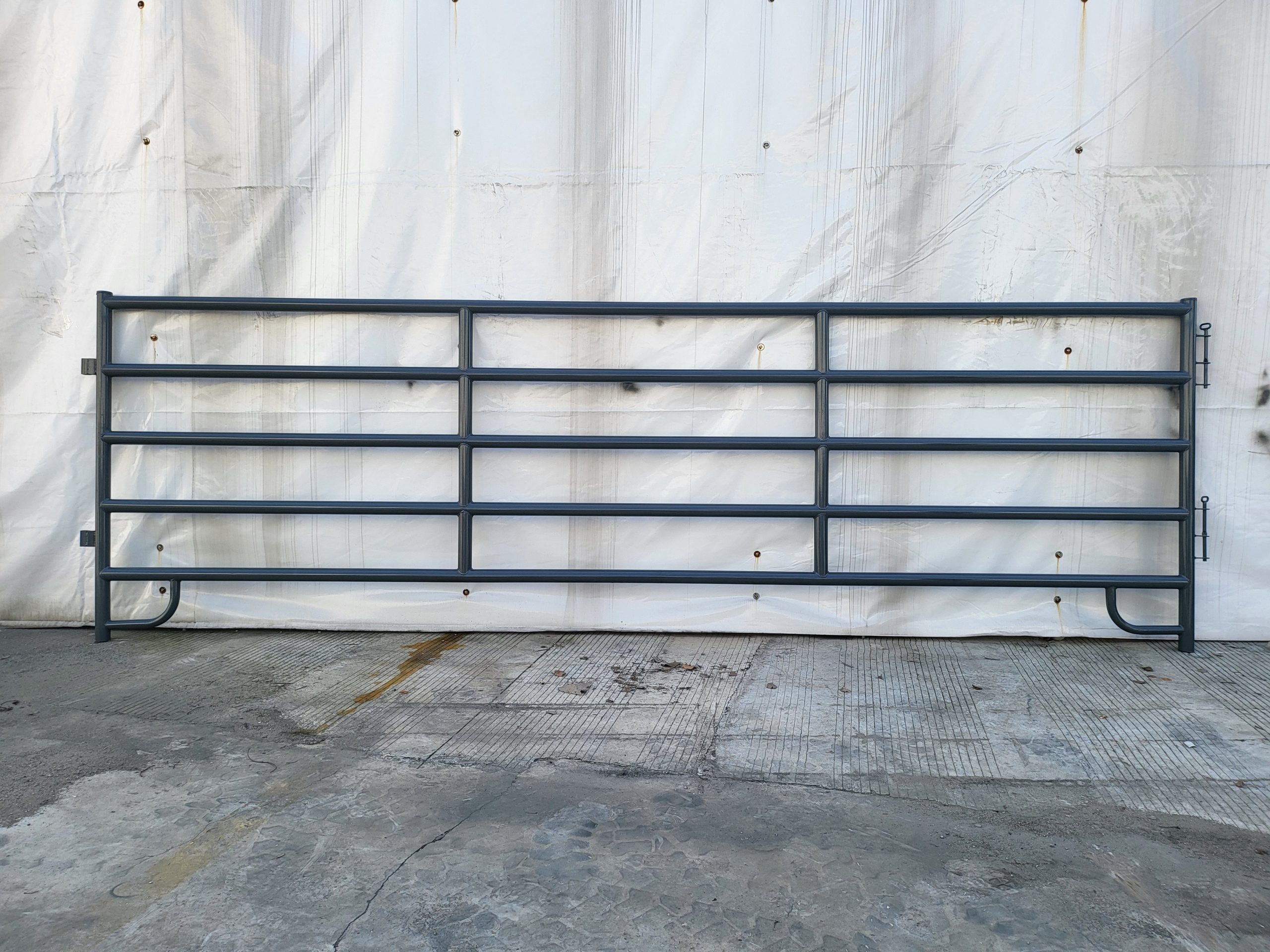
Use photographs to discuss color, coverage and obvious handling damage, but not to estimate service life. The dark-coated gate shown in this article is a user-supplied product photo; it does not establish coating chemistry, film thickness, adhesion, salt performance or corrosion resistance.
What does a hot-dip galvanized specification need to say?
Hot-dip galvanizing immerses prepared iron or steel in molten zinc, but the purchase order should go beyond that process name. ASTM A123/A123M-24 covers zinc coatings applied by the hot-dip process to iron and steel products, including fabricated products and large tubes that have been bent or welded before galvanizing. It is a useful reference when applicable, but the buyer must state that requirement in the contract and confirm that the product falls within its scope.
Ask the supplier or galvanizer which material category and thickness criteria apply, how coating thickness will be measured, and what records will identify the inspected lot. A bright or spangled surface is not a measurement. Agree on appearance limits, drainage marks, roughness, bare areas and handling damage that affect fit or safe use. If threaded hardware or moving interfaces are included, specify how coating buildup and post-process fitting will be managed.
Fabricated hollow sections need suitable venting and drainage for safe and effective processing. These details should be designed before fabrication and approved on the drawing. Do not ask a factory to improvise holes after the gate is complete without confirming location, edge finish and effect on the intended use.
What does a powder-coating specification need to say?
Powder coating is a system, not merely a color. The RFQ should describe substrate condition, cleaning and pretreatment, powder type if required, target color and gloss, cure control, dry-film thickness range, adhesion method, appearance criteria, masking and repair. If the gate is galvanized before powder coating, preparation of the zinc surface needs its own agreed process.
ASTM D3359-23 covers tape-test methods for assessing adhesion of relatively ductile coating films to metallic substrates. ASTM itself notes limitations: the method evaluates lower levels of adhesion, does not provide an absolute bond force and depends strongly on operator technique. Therefore, an order should specify the method, location, sample count and acceptance rating rather than simply state “adhesion tested.”
For dry-film thickness, ASTM’s coating standards list ASTM D7091 for nondestructive measurement of coatings on ferrous and non-ferrous metals. Again, applicability and acceptance values belong in the contract. Ask for calibrated-instrument records tied to the lot, with enough readings to represent rails, frames and difficult areas instead of one convenient flat surface.
How should North American exposure change the decision?
Describe the actual exposure instead of selecting by region name. “North America” includes dry inland ranches, humid livestock buildings, coastal salt exposure, freeze-thaw cycles, snow-removal damage and intensive washdown. A gate inside a covered sorting building faces different conditions from a gate beside a manure-handling lane or an irrigated pasture.
Create an exposure profile for each gate location. Note whether the surface stays wet, contacts soil or manure, receives pressure washing, is struck by chains or equipment, or must maintain a particular appearance. Ask how water leaves horizontal members and whether crevices or enclosed areas remain after fabrication. The supplier can then quote alternatives against the same use case.
| Exposure question | Why it belongs in the RFQ | Evidence to request |
|---|---|---|
| Frequent wetting or washdown? | Changes corrosion and cleaning demands | Process description and coating inspection plan |
| High abrasion or impact? | May damage either finish locally | Repair method and touch-up material |
| Salt or coastal exposure? | Requires explicit environmental review | Supplier recommendation with limits, not a generic lifetime claim |
| Appearance critical? | Color and gloss variation may matter | Approved sample or color reference |
| Moving hardware? | Coating buildup can affect fit | Assembled functional check |
Which inspection records make the two options comparable?
Write a finish inspection plan that produces comparable answers. For hot-dip galvanizing, identify the applicable specification, sampling locations, thickness reporting, appearance checks and repair criteria. For powder coating, identify surface preparation, powder batch or product reference, cure control, film-thickness readings, adhesion method, appearance checks and repair criteria. In either case, add a functional check after coating so hinges, pins and latches operate as agreed.
Do not confuse a certificate of conformance with raw data. A certificate can be useful, but the order should state whether the buyer also needs measurements, test reports, batch identification or third-party inspection. Where a standard is not required, create simple project-specific acceptance criteria rather than implying formal compliance.
- Link every record to the purchase order, part number and production lot.
- Identify the instrument, calibration status and measurement locations when measurements are required.
- State the sample quantity and acceptance rule before production.
- Photograph obvious defects with a scale and part identifier.
- Record repairs and reinspection rather than hiding touch-up work.
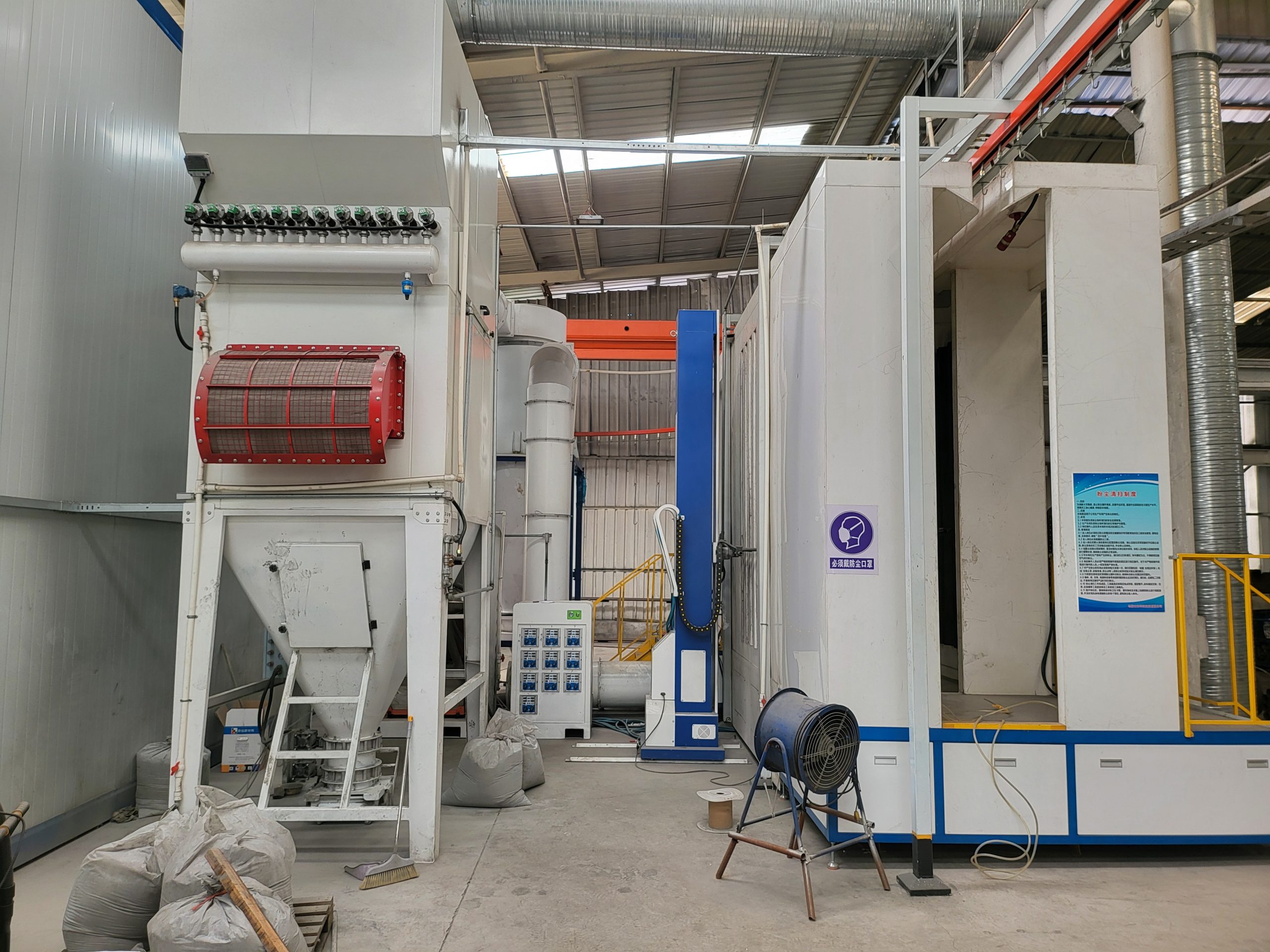
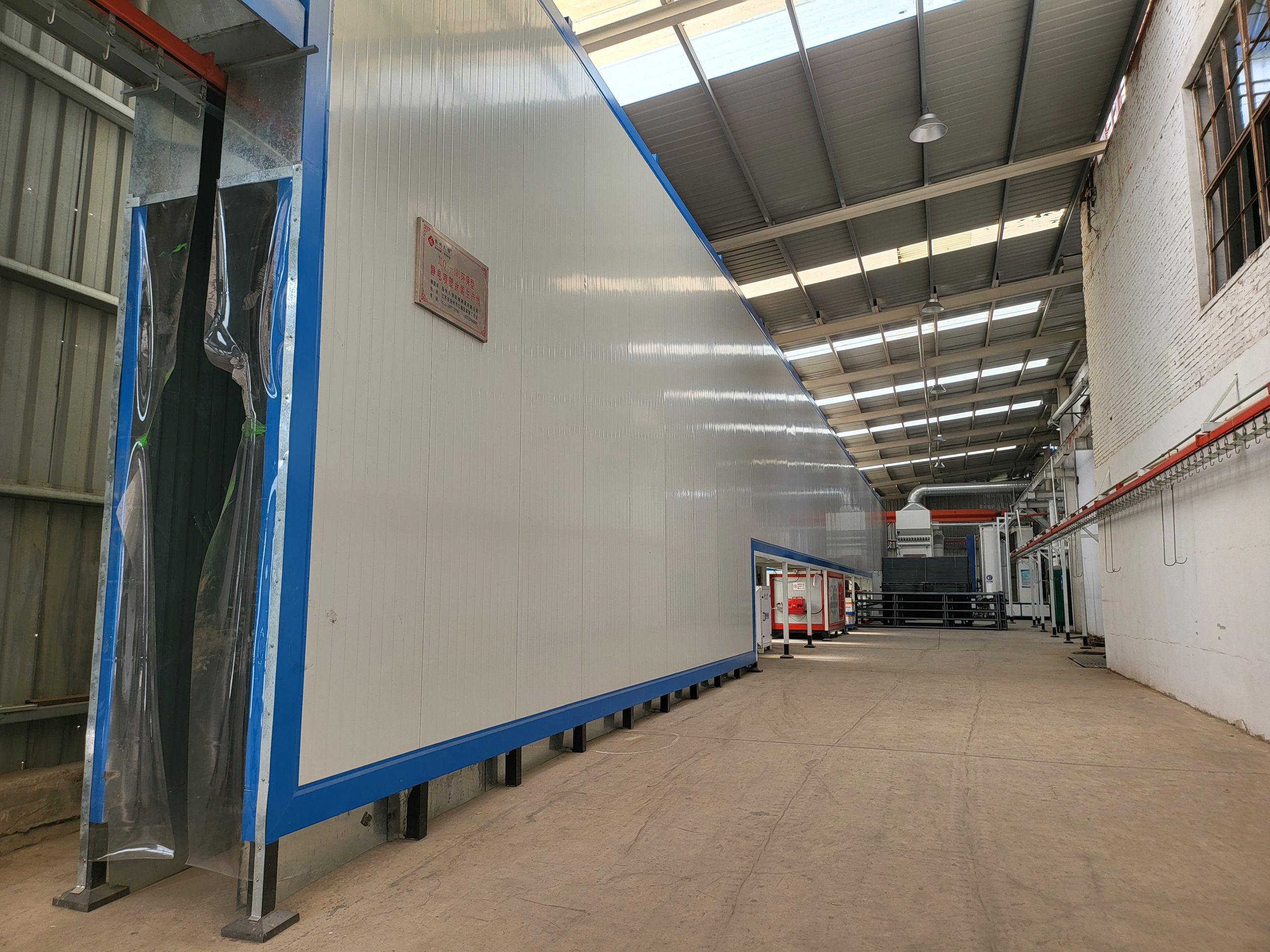
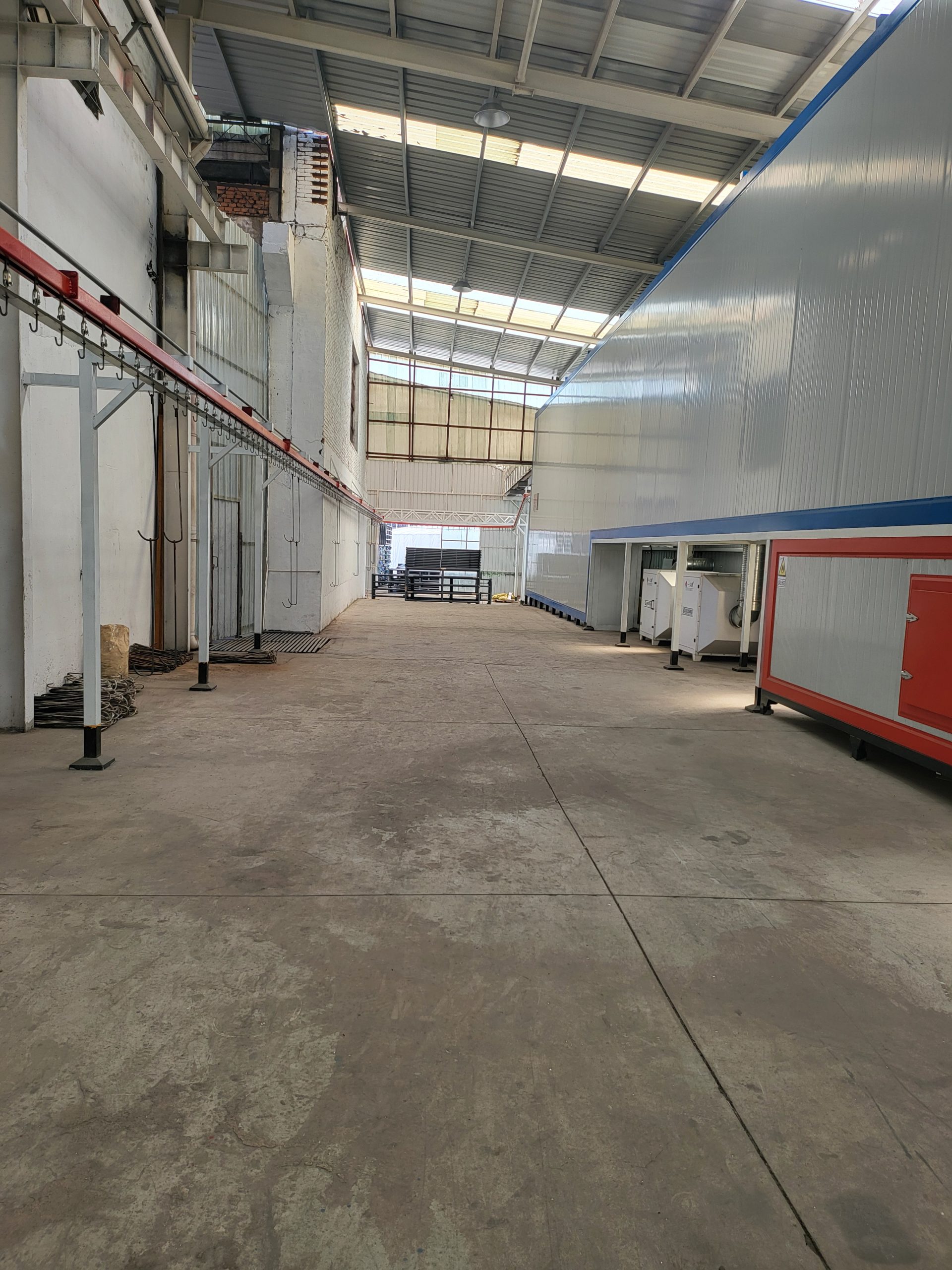
An empty line photograph can show available equipment but cannot demonstrate that a particular gate followed the required preparation, cure or inspection sequence.
How should damaged areas and field repairs be handled?
Every finish can be damaged during handling, installation or use, so the purchase specification should include a repair plan. For hot-dip galvanized coatings, ASTM A780 describes methods for repairing damaged or uncoated areas, including zinc-based repair options, and states that contracting parties should agree on the extent and method of repair. Use the active edition applicable to the order; the linked ASTM page also identifies later versions.
For powder-coated gates, ask the coating supplier for an approved touch-up system and surface-preparation instructions. A small color-matched paint mark is not automatically equivalent to the original powder system. Define where cosmetic touch-up is acceptable, where a repair must be measured or retested, and when the part should be rejected or refinished.
At receiving, inspect bundle contact points, chains, fork-entry areas, corners and protruding hardware. Photograph damage before unloading further, keep packaging labels in the frame and separate transport damage from manufacturing defects. The earlier HRC receiving checklist provides a broader handover workflow; the finish specification should supply the repair rules used during that inspection.
What should the finish section of an RFQ include?
Use a short, complete finish schedule for each part number. Include the base steel description, fabrication-before-finish requirement, finish process, governing standard if applicable, color or appearance reference, target measurement range where specified, test methods, sample plan, permitted repair method, packaging protection and required records. Distinguish gate leaves, posts, hinges, latches and fasteners because they may use different materials or finishes.
Ask both coating options to be quoted against the same drawing, quantity, destination and evidence package. That makes price differences more meaningful. If the supplier cannot confirm a requested standard, decide whether to revise the requirement, seek technical review or choose another source; do not convert an unverified claim into website copy.
Review the appropriate HRC livestock gate range and heavy-duty gate page for configuration context, then request a written finish specification through the contact page. Product photographs help identify the option, while the quotation and approved drawing should control the delivered finish.
Can a photograph prove that a gate is hot-dip galvanized?
No. Appearance can suggest a zinc finish, but the process, coating thickness and compliance require traceable documentation and agreed inspection.
Does powder coating always rust sooner?
No universal answer is supportable. Preparation, system selection, coverage, damage, exposure and maintenance all affect results. Compare written systems for the actual location.
Should the lowest coating price win?
Only after normalizing the scope. A quote without preparation, inspection, packaging and repair evidence may not be equivalent to a more complete offer.